Fire does not work out. It manipulates uncertainty, confusion, and spaces in preparation. A capable chief fire warden protects against those spaces from forming. The job is part technological, part operational leadership, and component human variables. If you use the helmet and carry the radio, you soak up the duty for relocating individuals to safety and security when secs matter and details is imperfect.
I have actually trained and assessed wardens across offices, stockrooms, medical facilities, and education campuses. The settings vary, yet the core of the function remains the very same: know your center, lead your team, and make great phone calls under stress. The adhering to overview distills what a chief fire warden requires to be skilled, confident, and certified, with sensible information drawn from real emptyings and drills.
What the role really means
The chief fire warden is the boss of the emergency situation control organisation, coordinating wardens and making higher‑order decisions throughout an occurrence. In Australian work environments, the duty aligns with the PUA Public Security Training Plan, especially PUAER005 Respond to a facility emergency situation and 2 systems most employers recommendation for warden duties:
- PUAER005 and PUAER006 are older codes. The presently used devices are PUAFER005 Operate as part of an emergency control organisation and PUAFER006 Lead an emergency control organisation. Many companies still shorthand them as puafer005 and puafer006.
The normal day is about preparedness: preserving the emergency situation reaction strategy, examining tools is serviceable, building a rostered group, and running exercises. The extraordinary day is about command. You measure the circumstance, trigger the strategy, delegate tasks, communicate with emergency services, and represent people. When the alarm silences and the structure is restored, you record, debrief, and repair what did not work.
Competence starts with standards
If your training and procedures do not mirror identified standards, your group will certainly improvisate under stress. That seldom finishes well.
Most Australian workplaces use AS 3745 Planning for emergency situations in centers to direct their emergency planning and the structure of an emergency control organisation. The two core competency systems lug most of the sensible abilities:
- PUAFER005 operate as part of an emergency situation control organisation: This is the baseline fire warden training for wardens responsible for floor moves, alarm system response, and basic control. Subjects include building familiarisation, alarm system types, communication methods, brushed up searches, helping mobility‑impaired passengers, and risk-free use initial assault devices where trained and appropriate. PUAFER006 lead an emergency control organisation: This is the chief warden course that prepares you to route other wardens. It covers risk assessment, establishing priorities, command and control, intensifying or downsizing actions, coordination with emergency solutions, and post‑incident management.
Training language varies amongst providers, yet if you are scheduling a fire warden course or chief warden course, check that the devices straighten with PUAFER005 and PUAFER006. If you see puafer005 course or puafer006 course detailed, confirm currency and analysis methods. Competence without evaluation is just knowledge, and familiarity fades.
Confidence comes from repetitions that count
I have actually viewed groups run 4 evac drills a year and still flounder when a real smoke detector activates at 6:15 pm, half the building gone, the rest sidetracked. The difference is practice session with restraints. You can not simulate smoke, heat, and turmoil in every drill, yet you can form drills to require decision production:
- Vary the moment. Run at shift modification, first thing in the early morning, and during top client hours. The chief warden has to find out the tempo of the building at various times, and the emergency warden team must adapt where individuals congregate. Vary the circumstance. Pierce a straightforward alarm one quarter, a partial emptying the following, a complete evacuation with an obstructed egress after that, after that a shelter‑in‑place situation as a result of exterior hazard. Vary the info. On one drill, introduce clear guidelines. On one more, replicate a comms failing and require use runners.
This doesn't imply disorder for its very own purpose. It suggests constructing self-confidence that the group can carry out without a script, which is precisely the muscular tissue actual emergency situations demand.
Compliance is a floor, not a ceiling
Fire warden needs in the work environment rest at the intersection of regulation, requirements, and company policy. The regulation needs secure systems of job. Specifications such as AS 3745 specify planning and duties. Your insurance firm and security monitoring system may add responsibilities like regularity of emergency warden training, evidence of proficiency, and proof of exercises.
Where work environments stumble is treating compliance as the end state. If your center has complicated dangers, the standard will certainly not be enough. A hospital with oxygen lines, a chemical stockroom, or a multi‑tenanted high‑rise requirements additional layers: even more frequent drills, professional instructions, and joint exercises with emergency solutions. A little office may be well offered by standard fire warden training. A warehouse with 24‑hour procedures and seasonal spikes needs shift coverage, evening procedures, and regular refresher training customized for brand-new informal staff.
The colours and what they mean
Colours are not vanity. They are fast aesthetic hints that punctured sound. In a lot of Australian contexts:
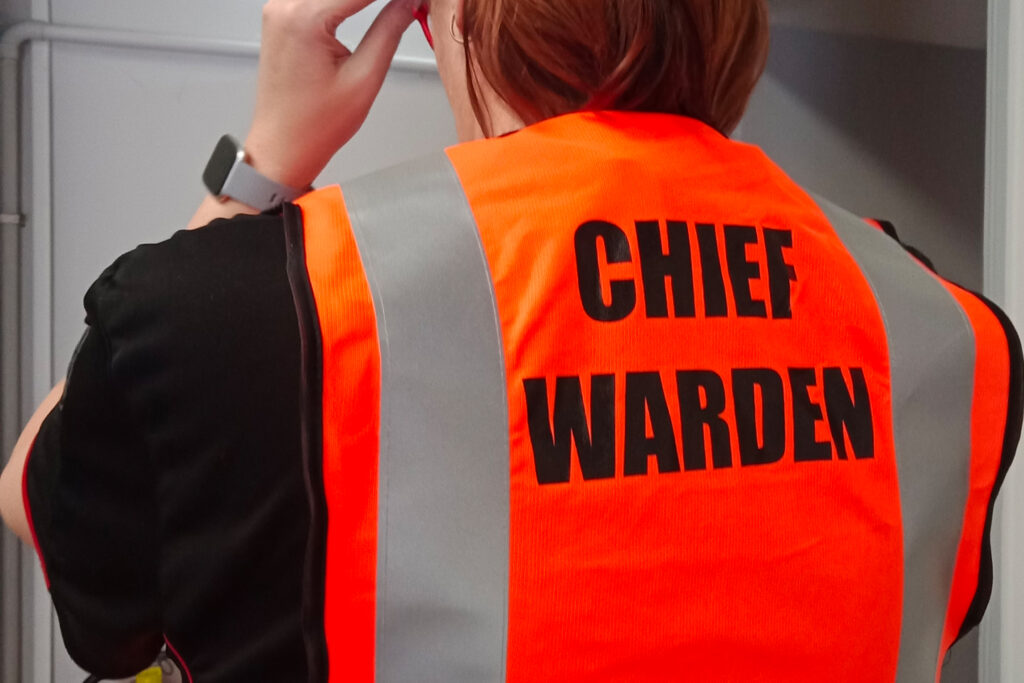
- The chief warden puts on a white safety helmet or white warden hat, commonly significant with "Chief Warden" front and back. For those asking what colour helmet does a chief warden wear, the reference response is white. Deputy principal wardens generally use white also, significant "Deputy." Floor or area wardens typically use yellow safety helmets or high‑visibility caps marked "Warden." If your work environment makes use of hats rather than helmets, keep regular markings throughout shifts.
When people ask about fire warden hat colour, what matters is consistency and visibility. I have actually seen workplaces use caps due to the fact that helmets didn't fit well with headsets or construction hats in blended atmospheres. That can function if the exposure at a range is equal and the labels are unambiguous. The chief warden hat need to show up at a look against the setting, whether that is an office floor or a dark storeroom.
The chief fire warden's job under pressure
When the alarm sounds, the first min is definitive. Because minute, you should establish puafer005 function in emergency control control, verify the nature of the alarm system, and provide the very first clear instruction. The mistake I see usually is hold-up triggered by uncertain triage. Individuals wait for ideal info while the building maintains filling with people unclear where to go.
A great pattern: move fast to your control factor, confirm panel information or neighborhood reports, designate wardens to verify if risk-free, and make the first phone call to evacuate the affected area or the whole structure as per your strategy. If your strategy calls for dynamic emptying, implement it emphatically. If smoke or unusual warmth is reported, do not overthink it, evacuate.
Expectational management issues. Utilize a calm voice on the PA or radio. Brief sentences, one guideline per transmission, and a clear endpoint. People will certainly mirror your cadence.
Chief warden duties, day to day
A chief emergency warden gains their track record between incidents. The routine collections the response tempo when it counts. Numerous duties belong on your monthly cycle:
- Review the emergency situation action plan for currency. Flooring layouts transform, occupant numbers shift, specialists reoccur. Outdated diagrams and contact listings wear down response speed. Check your roster. Do you have educated wardens on every level, throughout every change and specialty location? You need redundancy. Personnel leave, take place vacations, or change duties. A space on degree 6 often tends to show up at the most awful feasible moment. Inspect equipment that supports wardens: warden hats or helmets, vests, lanterns, whistles, and radios. Batteries die, labels peel, and gear walks. Coordinate training. New wardens finish a warden course to PUAFER005. Possible chiefs total PUAFER006 lead an emergency control organisation. Refreshers every 2 years keep abilities existing. If roles transform or the building alters, run targeted rundowns sooner. Schedule and review drills. Go for at least two emptying works out a year, with one unannounced. Ideally, get the building's center manager and tenant representatives entailed to straighten out cross‑functional issues.
Fire warden training requirements, with nuance
A fire warden course ought to be more than a slide deck and a certification. High‑quality warden training mixes concept, walk‑throughs, and situation technique:
- Theory: alarm phases, building fire systems, smoke characteristics, interactions method, the chain of command within the emergency control organisation. Walk through: discharge courses, alternate egress, setting up locations, fire sign panel area, hydrant/hose reel/isolation factors where pertinent, and the challenging areas like keypad doors or items lifts. Scenario technique: role‑play with radios, timed sweeps, dealing with an individual that rejects to leave, assisting somebody with wheelchair or sensory disability, and a curveball like an obstructed stairwell.
For the chief warden training aligned to PUAFER006, analysis ought to consist of choice making under stress, handling incomplete info, and working with multiple wardens with clashing records. Paper‑based workouts can not fully replicate the haze of a real alarm system, but they can cultivate practices that keep in the moment.
Edge instances that separate the trained from the prepared
Across centers, the very same side cases reoccur. If you lead an emergency control organisation, construct response to these in your plan and training:
- People who will not evacuate. Health problems, target dates, or suspicion lead some to resist. Wardens have to use company, considerate language, record rejections, and escalate to the chief warden. The principal chooses whether to allocate another attempt or document and relocation, based on risk at the time. Persons with disability or injury. Pre‑planning matters. Preserve a flexibility support register with permission, with nominated buddies for evacuation aid. For high‑rise structures, think about evacuation chairs and train a subset of wardens to utilize them. Throughout drills, practice accompanying to a risk-free sanctuary if full staircase descent is impractical in a training context, and document the prepare for genuine incidents. After hours occupancy. A building that feels active at lunchtime becomes a puzzle during the night. Cleaners on different floorings, a handful of engineers in a lab, service providers in the plant area. The chief warden requires a method to represent people when sign‑in systems are uneven. Radio talk to security patrols and a sweep of recognized hot spots can make the difference. Mixed occurrences. Fire alarm plus medical emergency, or smoke alarm throughout a power outage, complicates decisions. The default continues to be life safety via emptying, however the principal must mark a warden to shepherd the medical instance while others proceed sweeps. If lifts are stuck, send off wardens to stairway doors on affected levels for well-being checks. Smoke but no warm. Charred salute is a cliché until a smoke detector near a kitchen space activates a full‑floor emptying. If your structure permits alert and evacuation phases, define beforehand when to rise. Never shame a dud. Debrief, after that adjust. As an example, moving a toaster oven or adding regional exhaust can reduce hassle triggers.
Radios, language, and cadence
Communication is not simply words. It is brevity, quality, and tone. In drills, I train wardens to use simple language and to report only what the chief needs to choose. A common failing mode is rambling descriptions without a clear ask.
Here is a basic theme that deals with a lot of websites:
- Identify yourself and place: "Degree 8 Warden at the north staircase." State the fact succinctly: "Noticeable light smoke in the kitchen space, no flames seen." State the activity or request: "Leaving east wing to stairwell, asking for maintenance isolate toaster circuit."
The principal replies with a brief confirmation and any type of decision: "Replicate Level 8, proceed with discharge of Degree 8 east wing, all other degrees stay on sharp, upkeep en route."
If your website uses code phrases, utilize them regularly, yet avoid lingo that confuses brand-new personnel or site visitors. Your PA announcements must be even easier, one guideline at once, such as "Attention all residents on Degrees 7 to 10, leave using the staircases. Do not make use of lifts."
Documentation: the spine of continuous improvement
Paperwork rarely delights anyone, yet it develops the back of a defensible, improvable system. As chief warden, keep:
- Current duplicates of the emergency situation action plan, representations, and call lists. Training records for every warden, including PUAFER005 and PUAFER006 currency, and any type of specialised training like discharge chair use. Drill reports with times, participation numbers, issues identified, rehabilitative actions, and deadlines. Incident logs for real activations, consisting of timeline, decisions made, and results. These logs, removed of private details, become your case studies for the next training session.
Insurance assessors, regulators, and senior administration all respond well to evidence. Extra significantly, you will detect patterns you can take care of, like the very same hinged fire door that fails to lock or the very same group forgetting to collect the visitor sign‑in sheet during sweeps.
Selecting and maintaining the team
Not everybody should be a warden. The most effective fire wardens are stable under stress, have sufficient existence to relocate a group, and appreciate information without being nit-picking. In the real world, you will mix experienced staff with ready beginners. The chief warden's work is to form them right into a team.
Mentoring assists. Match brand-new wardens with old-timers for the initial 2 drills. Revolve projects so every person learns different floorings or areas. Recognition issues as well. A quick thank‑you on the company channel after a clean drill goes a long method to keeping volunteers, particularly in high‑turnover environments.
For large or complicated sites, create deputy functions to lug the tons. A replacement chief warden that handles training schedules or equipment audits frees the chief to focus on preparation and high‑risk circumstances. The larger the website, the more you benefit from a documented succession plan so the procedure does not depend upon a single person's availability.
The legal and honest dimension
Beyond lists, the chief fire warden lugs an ethical duty of treatment. You ask people to leave desks, laboratories, operating theaters, or forklifts and comply with guidelines versus their instant passions. They provide you trust fund. Gaining it suggests you do your research, train seriously, and connect openly.
On the legal side, companies owe workers a risk-free work environment and effective emergency procedures. If an incident creates damage and a regulatory authority asks exactly how you prepared, "we indicated to schedule training" is not a protection. A lot of jurisdictions anticipate periodic emergency warden training, proof of drills, and a plan customized to the real risks of the facility. If your building hosts hazardous chemicals, high‑rise egress, or vulnerable populations, your strategy should reflect that truth. This is where engaging with a skilled fire security expert pays back, specifically when translating criteria into site‑specific procedures.
The right use of very first assault firefighting equipment
Some wardens assume bring an extinguisher is part of the role. It can be, if educated and if conditions allow. The power structure remains repaired: life safety and security first, after that home. A chief warden should establish clear guidelines on when to attempt to extinguish a tiny fire:
- The fire is little and had, you have a safe leave at your back, the appropriate extinguisher type is at hand, and you are educated. If those conditions do not straighten, take out and proceed evacuation.
During debriefs, reward profundity to take out. Heroics produce stories yet too often finish with smoke breathing or blocked egress. Your group's discipline to prioritise discharge is a success metric.
Working with emergency situation services
When firefighters arrive, they take command of the case. Your job moves to intel and sustain. A good handover includes alarm system area information, observed smoke or fire areas, any type of dangerous products, the status of evacuation, and anyone unaccounted for. If your site has a fire control space, ensure access is clear and the panel is practical. If you have a website strategy revealing hydrants, hydrant boosters, and shut‑offs, maintain it current and accessible.
I advise welcoming regional firemens to a website familiarisation once a year. A 30‑minute tour saves minutes when minutes matter, especially in complicated websites like multi‑tenant facilities or plants with odd gain access to routes.
The human side of the aftermath
After the all‑clear, the chief warden faces a different obstacle: stabilizing need to reset and return to collaborate with the need to mirror and find out. Individuals will want responses. Give them what you can, avoid supposition, and dedicate to sharing lessons found out when truths are confirmed. After that follow up. A short note that discusses what caused the alarm, what functioned, and what will certainly transform builds trust fund and maintains the safety culture alive.
During one winter season in a mixed workplace and lab structure, we had 3 alarms in 6 weeks, two from a damaged air‑handling unit and one from a laboratory process mistake. Stress climbed promptly. The chief warden's stable interaction, incorporated with noticeable maintenance work and a modified lab treatment, relaxed the noise. In short, transparency defeats silence.
Matching training to your context
Providers promote emergency warden course, fire warden course, and chief warden course alternatives all over. The certifications look the exact same theoretically, however material and distribution top quality differ. When picking training:
- Ask for site‑specific situations. If you run a retail floor with thousands of clients, practice public address manuscripts and group control. If you handle a data center, include regulated shutdown liaison. Confirm assessment is useful. Watch out for programs that guarantee "fast online" certifications with no drills. Theory alone does not build muscle mass memory. Clarify the refresh cycle. Most work environments adopt two‑year refreshers for wardens and principals. If you have high turnover or complicated adjustments, think about annual refresher courses or shorter in‑house rejuvenate instructions in between official recertifications.
If your workforce includes people for whom English is a 2nd language, demand instructors that can change pace, usage simple language, and support with visuals. Clearness defeats jargon every time.
An easy pre‑incident readiness check
To keep readiness real, here is a small check you can run monthly. If you can not state yes to each point, timetable actions.
- Do we have sufficient educated wardens, across all floorings and changes, to cover absences? Are emergency situation layouts precise after any kind of fit‑outs or format changes? Are radios, warden hats, vests, and torches accounted for and working? Are movement aid plans current and known to the team? Have we scheduled the next drill and briefed floor managers on their role?
Confidence is teachable
I have seen silent analysts become superb chief wardens. Not due to the fact that they enjoy a crowd, but because they prepare well, talk plainly, and adhere to the plan. Confidence grows from 3 sources: knowing your building much better than anybody, exercising choices prior to you require them, and surrounding on your own with a trained group you trust.
If you are entering the duty, start with PUAFER006 lead an emergency control organisation and refresh your structure with PUAFER005 operate as part of an emergency control organisation. Set a calendar for drills, assemble your group, and walk the paths. Ask maintenance to reveal you the panel and the plant. Meet safety and security. Welcome regional firefighters for a walk‑through. After that, build routines: brief clear radio calls, definitive initial actions, and faithful documentation.
Everything else streams from that. When the alarm sounds, your prep work buys tranquil. Tranquility gets fire warden hat colour time. Time purchases safety. Which is the job.
Quick solution to typical questions
What colour helmet does a chief warden wear? White. The chief fire warden hat colour is white, normally marked "Chief Warden." Deputy principals use white marked "Replacement," and basic wardens use yellow.
How typically should we run drills? Two annually is a typical minimum for workplaces, yet adapt to take the chance of. For facility facilities or high‑rise structures, quarterly drills or targeted exercises for high‑risk locations are sensible.
Do wardens have to utilize extinguishers? Only if educated, the fire is small and included, and they have a risk-free leave. Discharge takes priority.
What is the difference in between warden training and chief warden training? PUAFER005 concentrates on running as part of the group, conducting sweeps, and communication. PUAFER006 focuses on management, choices under stress, and sychronisation of resources.

Are hats required, or can we utilize vests? Use what is most visible and practical on your site. Hats or safety helmets with clear tags aid, but high‑vis vests with "Chief Warden" or "Warden" in large print can function if regularly made use of and immediately recognisable.
Final thought
Competence, confidence, and compliance are not competing goals. They enhance each various other. Train to the standard, drill beyond the minimum, and lead with clearness. Whether you manage a silent office or an active warehouse, the principles hold. A well‑prepared chief fire warden transforms a loud minute right into an organized activity towards safety.
Take your leadership in workplace safety to the next level with the nationally recognised PUAFER006 Chief Warden Training. Designed for Chief and Deputy Fire Wardens, this face-to-face 3-hour course teaches critical skills: coordinating evacuations, leading a warden team, making decisions under pressure, and liaising with emergency services. Course cost is generally AUD $130 per person for public sessions. Held in multiple locations including Brisbane CBD (Queen Street), North Hobart, Adelaide, and more across Queensland such as Gold Coast, Sunshine Coast, Toowoomba, Cairns, Ipswich, Logan, Chermside, etc.
If you’ve been appointed as a Chief or Deputy Fire Warden at your workplace, the PUAFER006 – Chief Warden Training is designed to give you the confidence and skills to take charge when it matters most. This nationally accredited course goes beyond the basics of emergency response, teaching you how to coordinate evacuations, lead and direct your warden team, make quick decisions under pressure, and effectively communicate with emergency services. Delivered face-to-face in just 3 hours, the training is practical, engaging, and focused on real-world workplace scenarios. You’ll walk away knowing exactly what to do when an emergency unfolds—and you’ll receive your certificate the same day you complete the course. With training available across Australia—including Brisbane CBD (Queen Street), North Hobart, Adelaide, Gold Coast, Sunshine Coast, Toowoomba, Cairns, Ipswich, Logan, Chermside and more—it’s easy to find a location near you. At just $130 per person, this course is an affordable way to make sure your workplace is compliant with safety requirements while also giving you peace of mind that you can step up and lead when it counts.